
Storm Damage Is Not Always Obvious
High winds, heavy rain, flying debris, and sudden temperature changes can damage a roof even when everything looks normal from the ground.
Raving Roofs provides monsoon and winter storm roof repair for homeowners across Phoenix, Scottsdale, Paradise Valley, Cave Creek, Tempe, Chandler, and surrounding communities. We inspect the roof, document the damage, and explain what needs immediate attention.
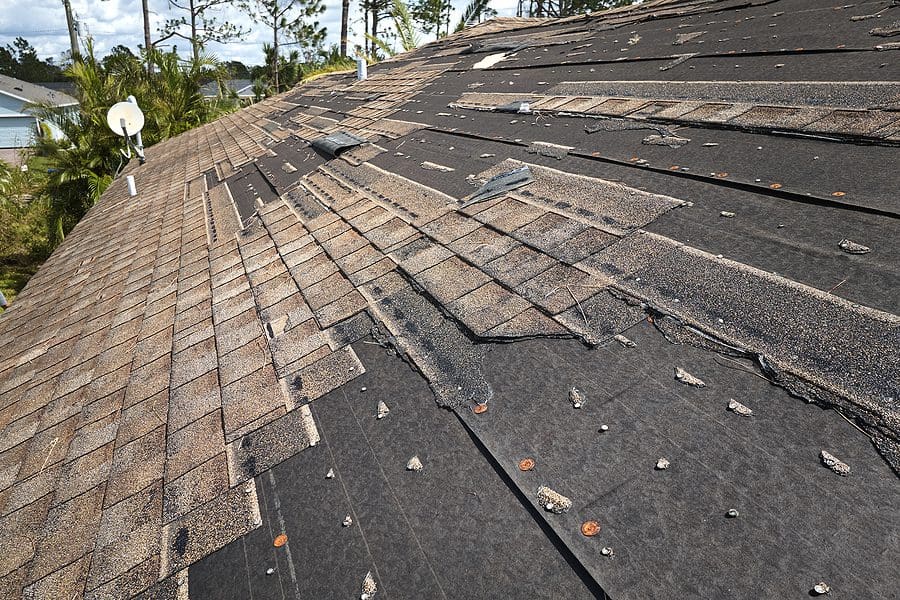
After severe weather, look for:
Some storm damage is not visible from the ground. But, avoid climbing onto the roof yourself after a storm.
Monsoon storms can bring strong winds, heavy rain, and flying debris that loosen materials, damage flashing, and expose vulnerable areas.
Winter storms are usually less severe, but repeated rain, wind, and temperature changes can reveal existing weaknesses and allow moisture into aging roofing systems.
The type of damage depends on the roof:
We evaluate the roof for both visible and less obvious damage, including roofing materials, flashing, penetrations, drainage areas, and vulnerable edges.
You’ll receive photos and a clear explanation of:
Call for emergency roofing help when:
Move valuables away from affected areas and avoid damaged ceilings, electrical hazards, and unsafe roof sections.
Storm damage can allow moisture to reach the underlayment, roof deck, insulation, drywall, and other areas of the home.
Addressing the damage early may help prevent:
We stand behind our work with our Signature Guarantee. If you are not satisfied within the first year, we will return to address the concern. In qualifying situations, additional remedies may include removal and refund options.
Storm damage is rarely planned. For qualified homeowners and eligible projects, financing options may help make larger repairs more manageable.
If you notice leaks, missing materials, debris, or other signs of damage, do not wait for the next storm to reveal the full problem.
Contact Raving Roofs to schedule a storm damage inspection.
Common signs include leaks, missing roofing materials, damaged flashing, dents, punctures, and debris-related damage. Some issues require a professional inspection to identify.
An inspection is worthwhile after a severe storm, especially if your roof is aging or you notice leaks, debris, missing materials, or changes inside the home.
Monsoons can loosen shingles or tiles, damage flashing and vents, puncture foam coatings, detach gutters, and create openings that allow water into the roofing system.
Yes. Rain, wind, hail, and temperature changes can expose weaknesses in aging materials, flashing, coatings, and underlayment.
Damage should be evaluated promptly. Immediate repairs may be needed when water is entering the home or part of the roof is exposed.
Move belongings away from the affected area, contain water when possible, and avoid sagging ceilings or electrical hazards. Then contact a roofing professional.
No. Lifted materials, damaged flashing, punctures, and underlayment problems may not be obvious without a roof inspection.
Yes. Unrepaired damage can expose roofing materials to additional moisture, heat, and weather, accelerating deterioration.
Yes. If storm damage is allowing water into the home or leaving the roof exposed, contact us so we can assess the situation and recommend immediate and permanent next steps.

When you need professional monsoon and winter storm repair in Scottsdale, AZ, our team at Raving Roofs is ready to respond with the experience and attention your home deserves. Every storm creates different challenges, and we’ll take the time to assess the damage and recommend the most effective solution. Schedule an appointment today and let us help protect your home before storm damage has a chance to spread.
Contact Us Today

If cash is tight, a financing plan can help make it right!